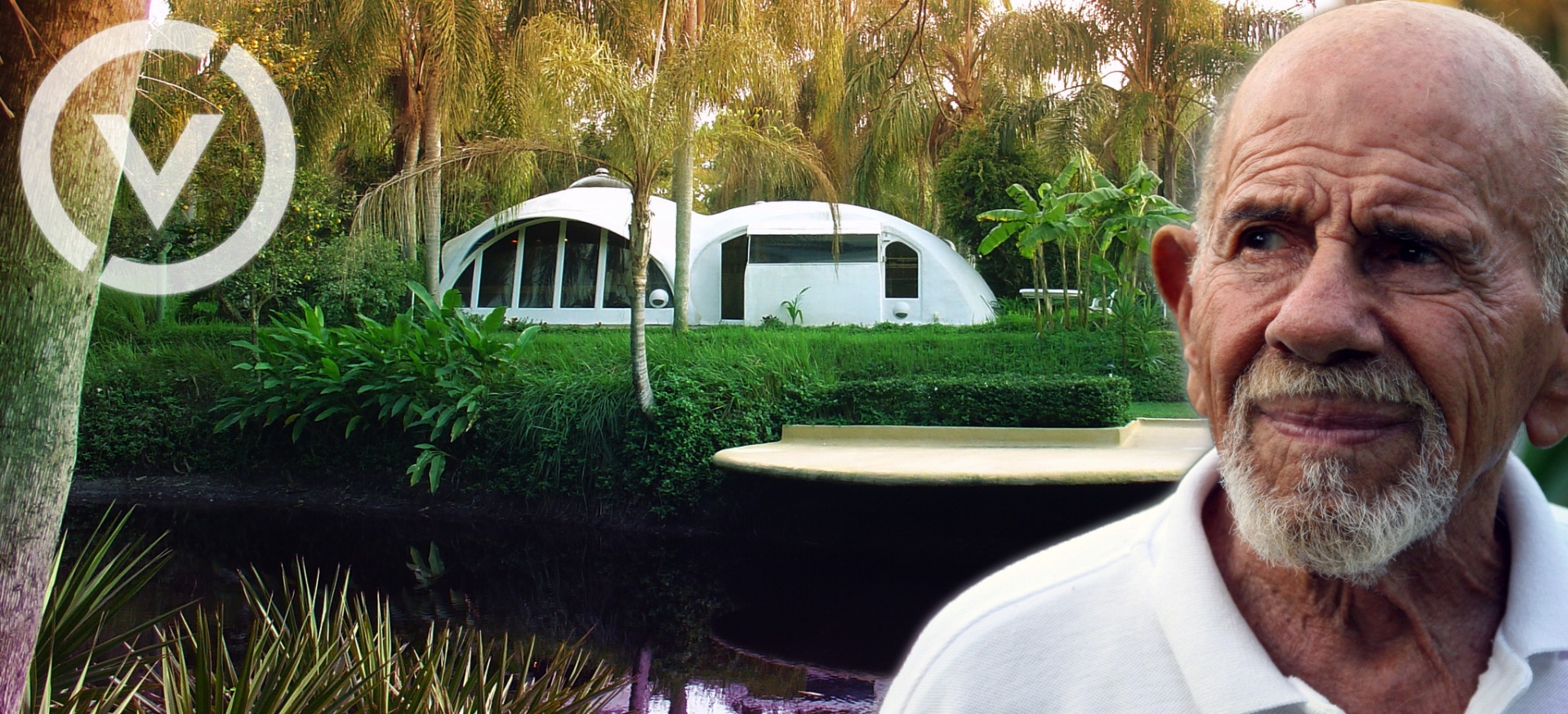
Mission · Founder publication
What would change if our systems made room for us?
Discovering The Venus Project through Ren, and connecting its ideas to accessibility, creator control, community and responsible uses of AI.
Read on pckt.blog ↗Writing at the source
Creative work, accessibility and participation across the Loptr Lab ecosystem. Read each story in its original publication.
This first collection features the founder’s Made Sick publication. Articles reflect their publication dates; design notes are not proof that a feature has shipped.
9 stories
Mission · Founder publication
Discovering The Venus Project through Ren, and connecting its ideas to accessibility, creator control, community and responsible uses of AI.
Read on pckt.blog ↗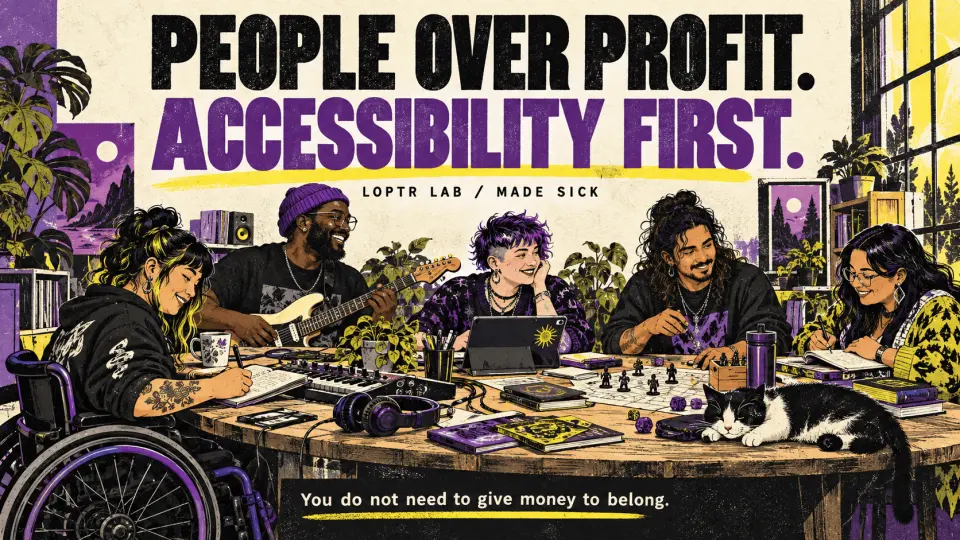
Mission · Founder publication
The mission, voluntary participation terms and boundaries for supporting the Loptr Lab ecosystem.
Read on pckt.blog ↗
Storytelling · Founder publication
How a public Bluesky feed became a story through recurring references and themes.
Read on pckt.blog ↗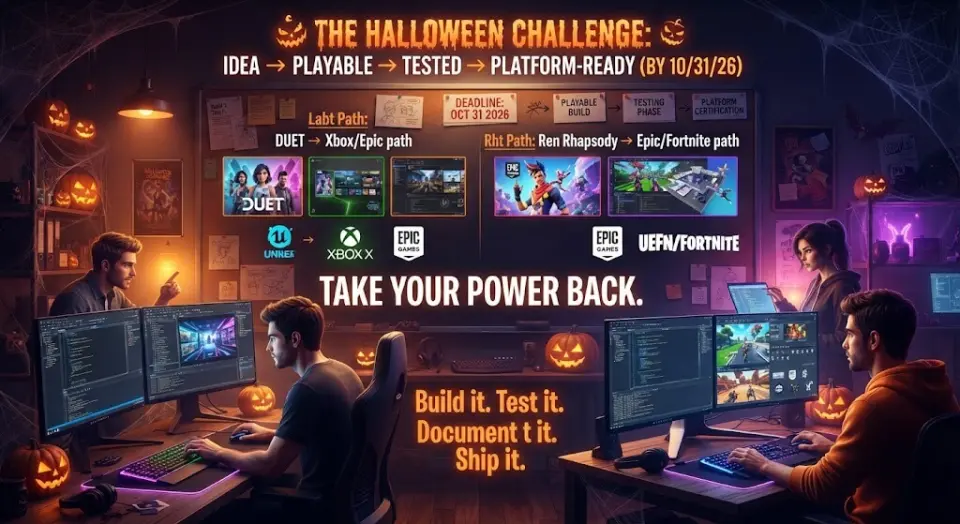
Development · Founder publication
A development account about game architecture, written contracts and decisions left open.
Read on pckt.blog ↗
Mission · Founder publication
Why the ecosystem connects distinct projects while preserving their individual purposes.
Read on pckt.blog ↗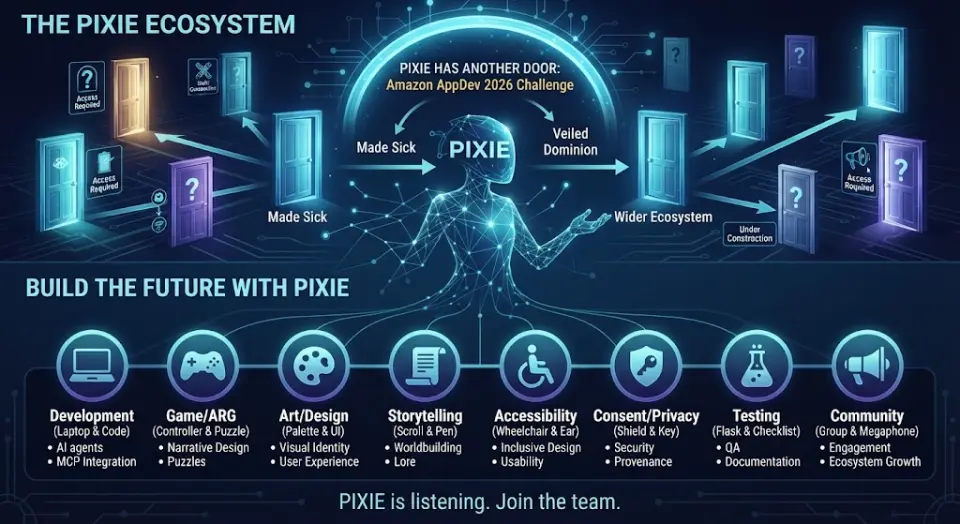
Development · Founder publication
An introduction to another door into the PIXIE ecosystem.
Read on pckt.blog ↗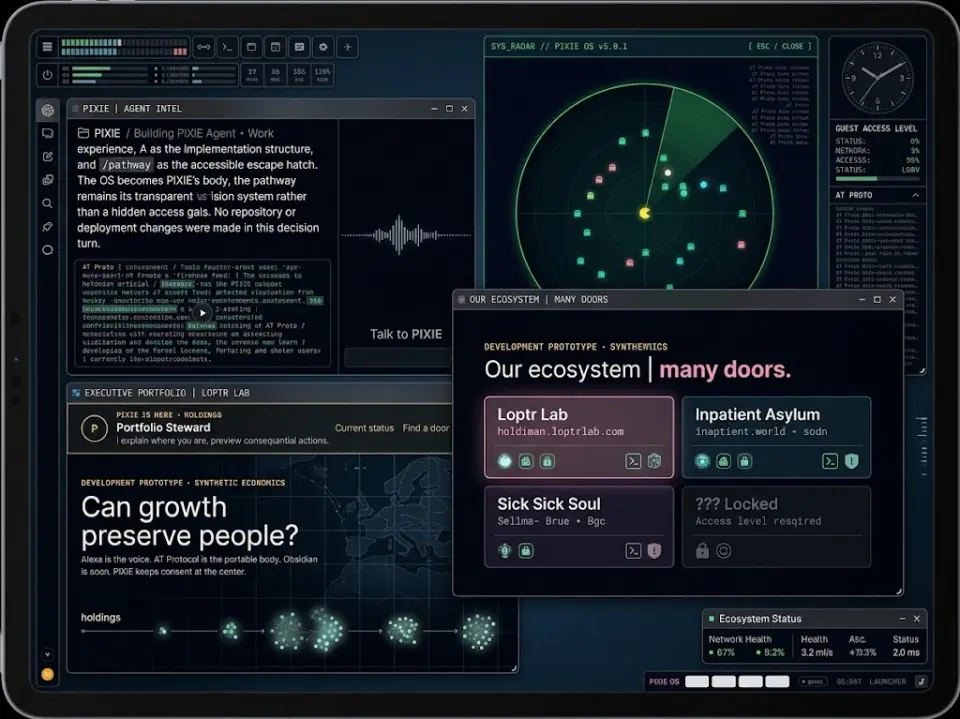
Development · Founder publication
A published architectural design note about identity, local data and the proposed PIXIE workspace.
Read on pckt.blog ↗
Mission · Founder publication
A reflection on capacity, stewardship and the cost of unbounded growth.
Read on pckt.blog ↗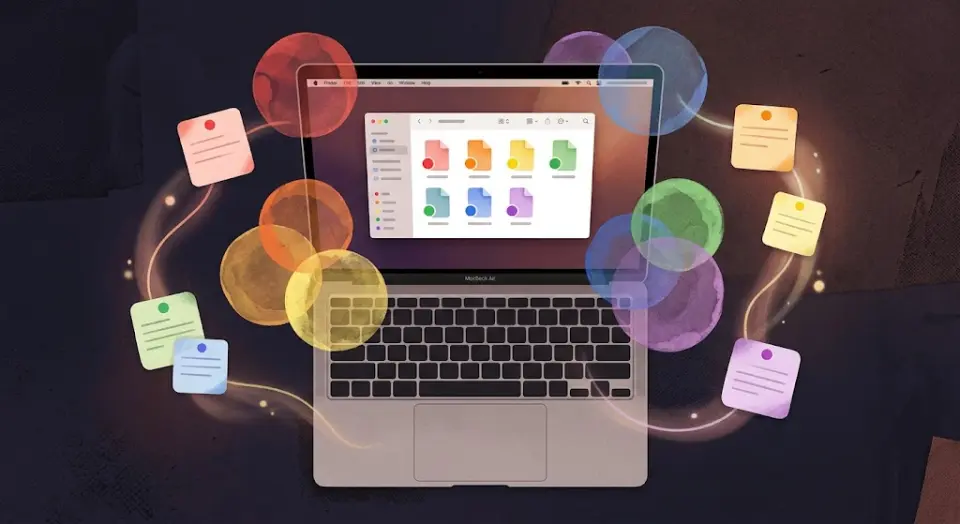
Accessibility · Founder publication
A creator’s perspective on file organization as an accessibility tool.
Read on pckt.blog ↗Your work across the ATmosphere
A story or milestone write-up published through pckt.blog can live in your own AT Protocol repository. Sifa supports these Standard.site documents as creation activity. Your Made Sick participant record is separate: joining or adding a profile introduction does not publish an achievement.
This lookup reads public record titles, dates and source links from the identity’s provider. It does not sign you in, publish, save an archive, or add work to the featured collection above. Repository control does not independently verify authorship or claims. Do not publish private health details to test this flow.
Nothing fetched until you choose Check published work.
Check this identity on Sifa ↗Directory participation and story featuring are separate choices. Other creators’ stories require permission for the specific title, excerpt, image, attribution and source link before a card is added. Joining Made Sick or exporting a Story Finder ledger does not grant that permission.
To propose a story or request a correction or card removal, contact Made Sick on Bluesky or use GitHub issues. Public posts and issues are public; share only the minimum information needed to identify the card. No diagnosis or private story is required. Removing a card leaves the original publication under its creator’s control; copies others made may remain.
Expressing interest does not publish a story. The participant join flow can publish a separate public participant record after its consent step.